In-Home Psychotherapy Program
Parenting can feel overwhelming when your child is struggling emotionally or behaviorally. If your child is having significant difficulties at home, at school, in the community, or with the legal system, you are not alone — and support is available.

How We Help Families
The Intensive In-Home Psychotherapy Program provides structured high-level therapeutic services to children and teens with their families. This program is designed to support children and teens experiencing significant emotional, behavioral, or relational challenges that impact daily functioning in at least 2 areas such as: home, community, school, or legal systems.
This program emphasizes collaborative treatment planning, individualized goals for children, parenting support, and a focus on strengthening family systems. Therapy treatment goals are tailored to address specific mental health disorders, as well as emotional regulation, communication patterns, behavioral concerns, and improve overall individual and family functioning.
How does my child qualify?
Your child must be between the ages of 5-17
The child must be struggling in at least 2 of the following areas: Home, School, Community, or Legal system.
Home: The child could be struggling in the home with aggressive behaviors towards self, siblings, or other adults in the home, or the child could be experiencing significant anxiety, worry, shutting down, or has been impacted by trauma.
School: The child could be struggling in school with behaviors such as aggressive tendencies, defiant behaviors, inattentive, disruptive, regulating moods or shutting down, isolating, extensive worry or fears and has an established Educational 504 or IEP plan
Community: If the child is running away, or having aggressive behaviors in a social setting
County: If the child is receiving county program services such as CLTS, or if is CPS is involved
Legal: If the child has had police contact, or is involved in the court system
The child must have participated in mental health outpatient therapy in the last 3-6 months where therapy was not able to address the specific concerns in an office setting.
If the child has not been in therapy recently, we have therapists available to provide outpatient therapy
The child must be evaluated by a psychiatrist and has received a mental health diagnosis:. For example: Anxiety, Depression, DMDD, PTSD, Trauma, or Intermittent Explosive Disorder
If the child has not been evaluated by a psychiatrist, this service is available at our clinic for any clients engaged in outpatient therapy at our agency clinic.
FAQ
-
We provide therapy in the Green Bay and Fox Valley Areas.
-
The In-Home Psychotherapy Program is covered by Forward Health Medicaid.
Most private or commercial insurances do not cover.
-
We have a team of two therapists that meet in the home to provide therapy 2-3 times a week with each session averaging 1 hour an 40 minutes.
We are in the home for up to 1 year or sooner if child and family have met their goals.
Therapy sessions alternate during the week between individual therapy, parenting, and family therapy.
Meet the Team
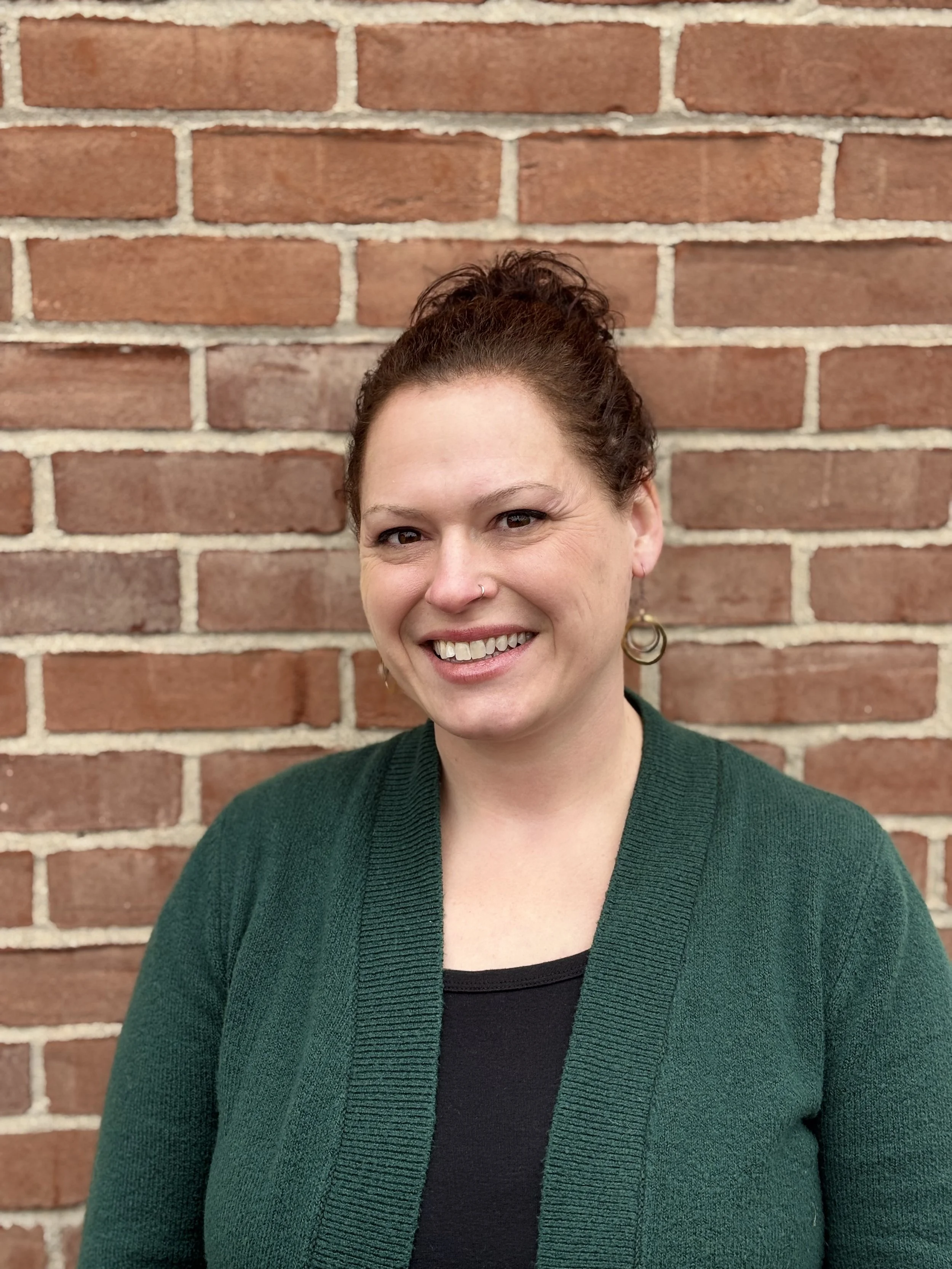
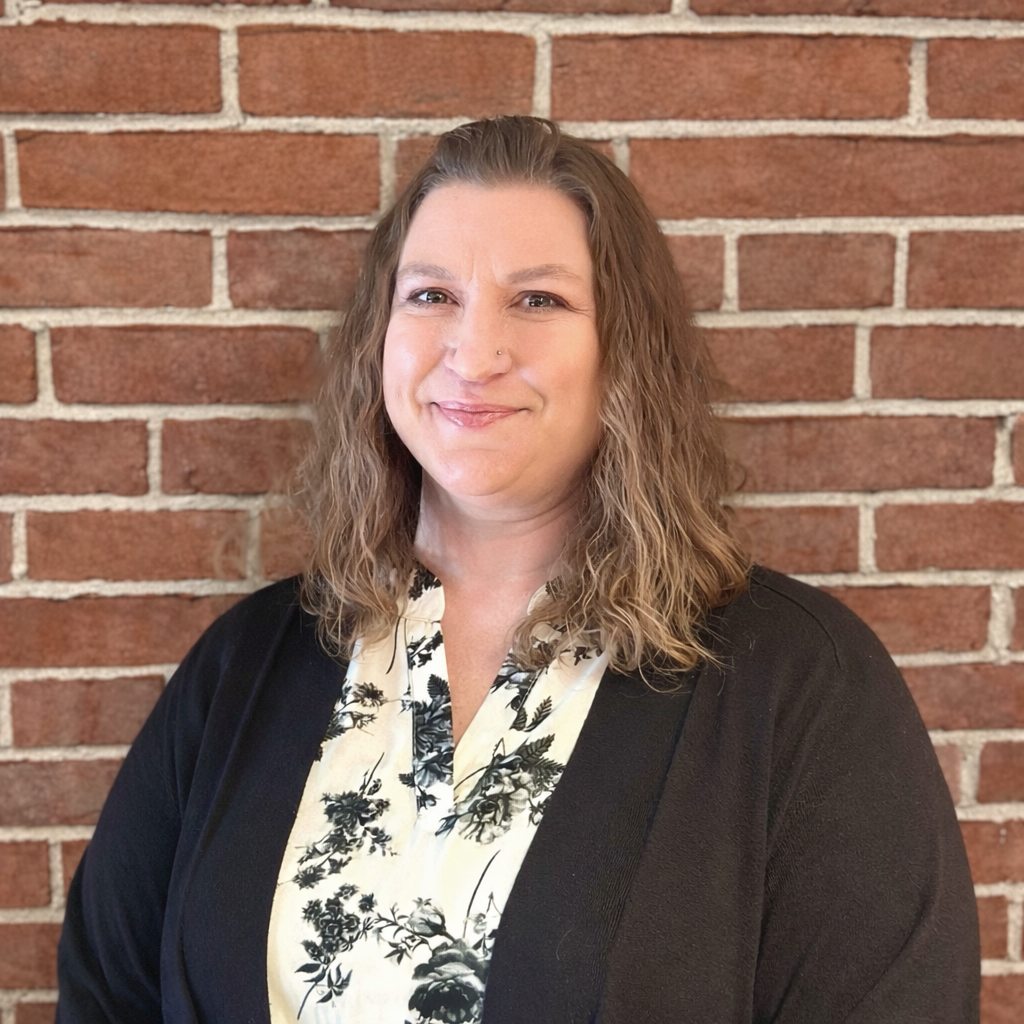
-
Education
University of Wisconsin- Oshkosh
Masters of Science- Community Counseling
Specialty Areas
Anxiety
Mood Disorders
Grief & Loss
Autism
ADHD
PTSD
Social skills
Parenting skills
Treatment Modes
Supportive person-centered
Cognitive Behavioral Therapy
Solution Focused Therapy
Acceptance & Commitment Therapy
Art Therapy
Play Therapy
Breathwork techniques
Mindfulness techniques
Approach to Therapy
Life can be complicated and messy. I hope to provide a safe space and some new tools to help make the journey more manageable.
Personal Interests
Walks in nature, thrifting, spending time with family and friends
Amy Haber, LPC-IT
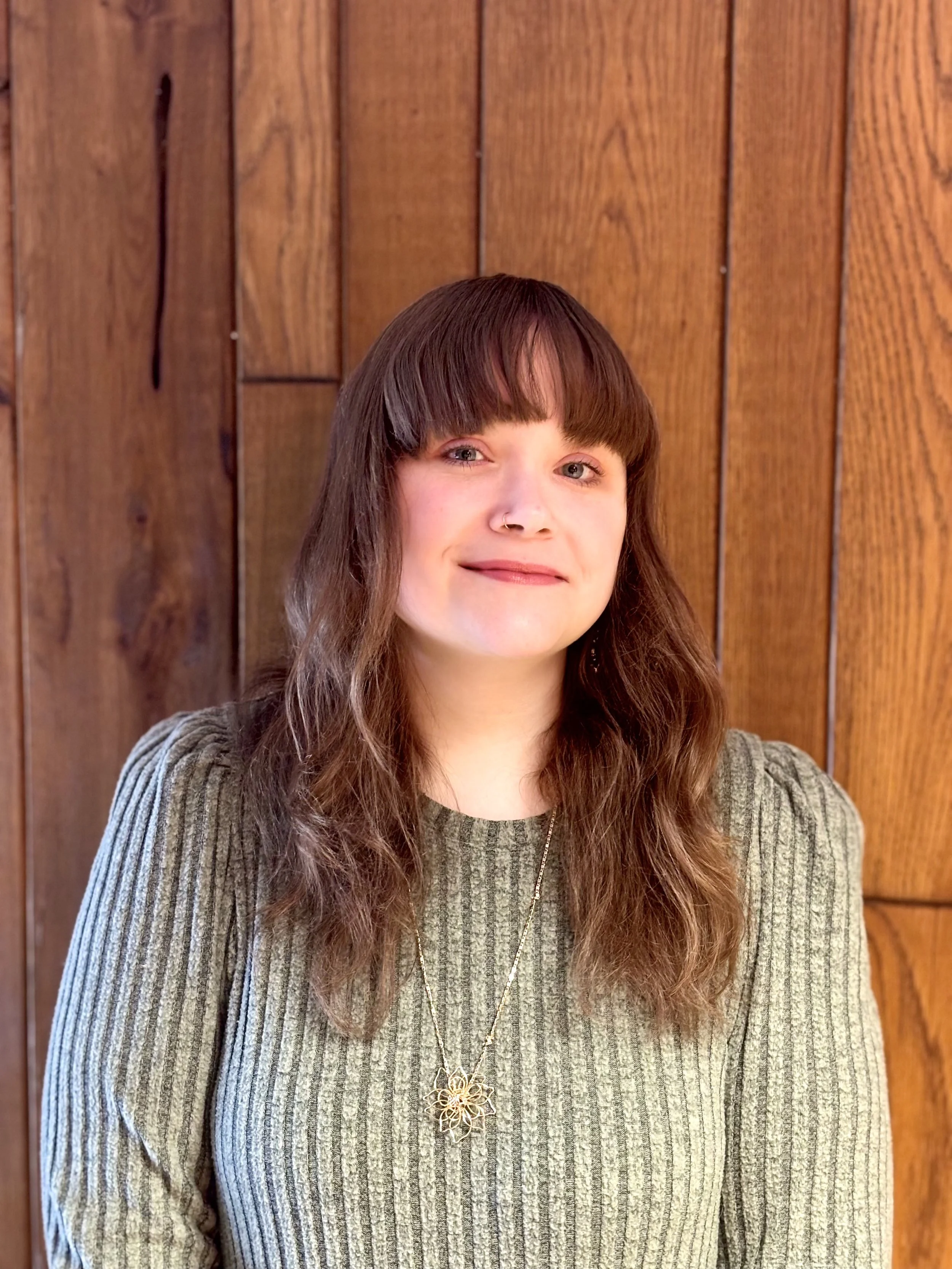
-
Education
University of Wisconsin-Madison
Masters of Social Work
Masters of Business Administration
Specialty Areas
LGBTQ+ issues
Anxiety
Autism
ADHD
Depression
Trauma/PTSD
Self-esteem issues
Mood Disorders
Family/Relationship issues
Treatment Modes
Solution-Focused
Cognitive Behavioral Therapy
Psychodynamic techniques
ACT
Brainspotting
Strengths Based techniques
Validation techniques
Approach to Therapy
My approach is grounded with trauma informed, strengths based models. I consider my role as a guide to help clients access their own strengths, insight and resilience. It is my belief that growth occurs when clients feel heard without judgement and have a safe space to express themselves.
Personal Interests
Traveling, reading, watching movies, cooking, spending time with my family
Angie Quinn, LCSW
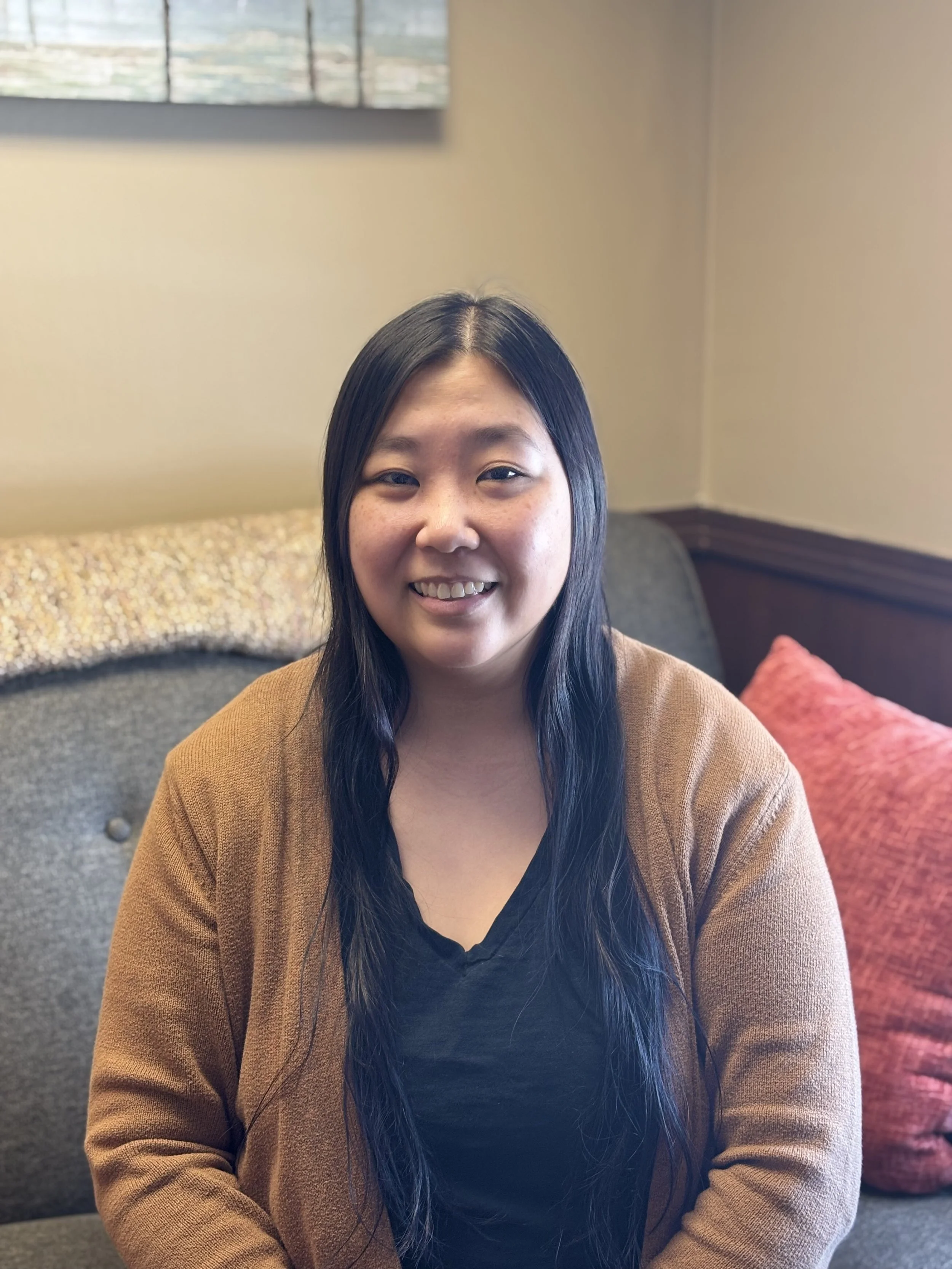
-
Education
University of Wisconsin- Green Bay
Masters of Social Work
Specialty Areas
LGBTQIA+ issues
ADHD
Depression
Anxiety
Self-esteem issues
Reactive Attachment Disorder
Domestic violence issues
Treatment Modes
Solution Focused Therapy
Cognitive Behavioral Therapy
Trauma Informed Care
Approach to Therapy
I believe that every story is unique, and I strive to meet my clients where they are. My philosophy is that you are in the drivers seat, and I’m the passenger. I am here to learn and grow with you! I also strive to provide a safe and welcoming space for all.
Personal Interests
Video games, cooking, trying new foods, hiking, music, spending time with friends, reading and coloring
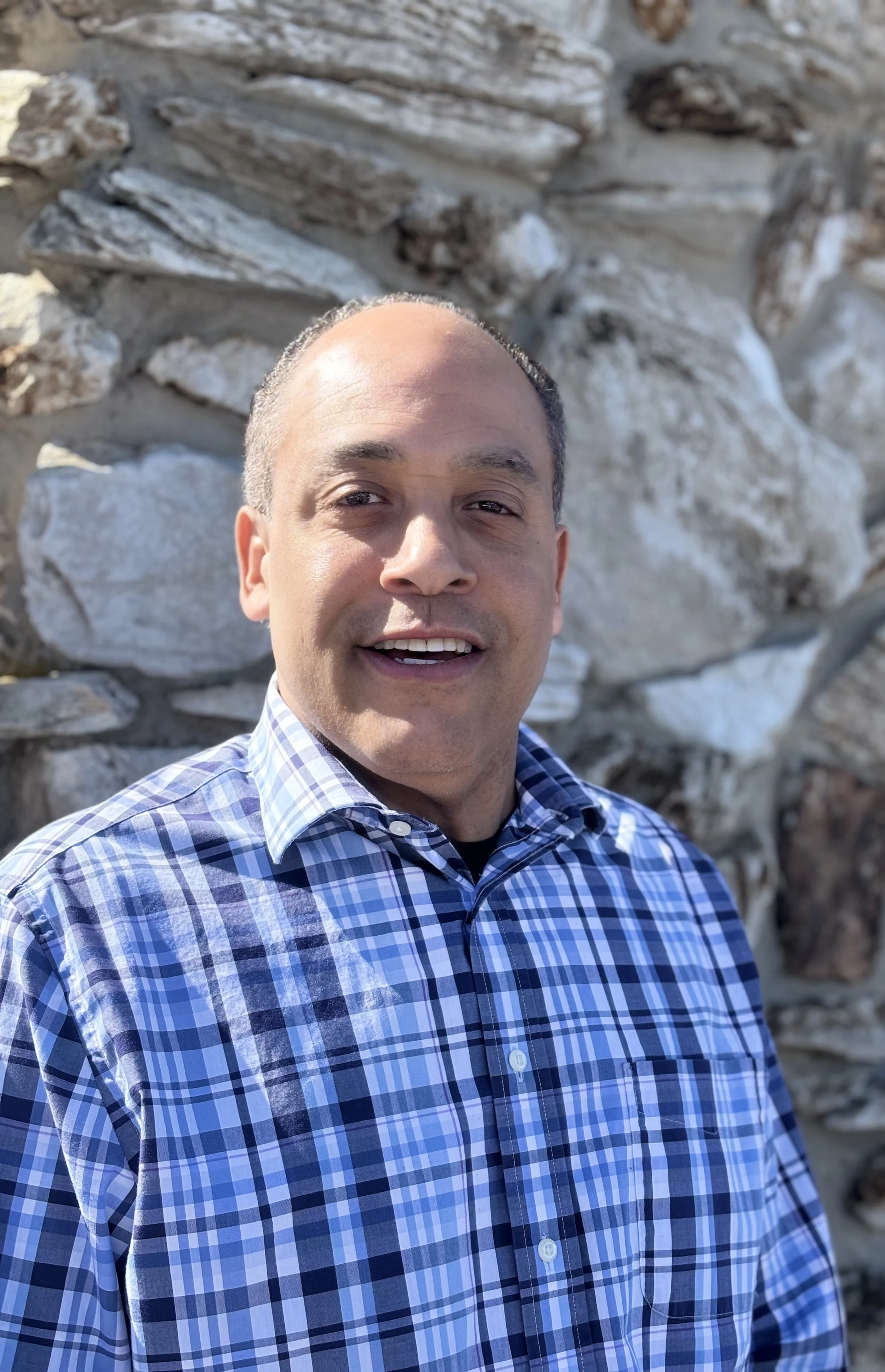
Faith Gross, APSW
-
Education
University of Wisconsin- Green Bay
Masters of Social Work
Specialty Areas
Anxiety
Mood Disorders
Stress management
Life transitions
Behavioral issues
Autism
Self-esteem issues
Parenting issues
Treatment Modes
Supportive person-centered
Cognitive Behavioral Therapy
Dialectical Behavioral Therapies
Play therapy
Skills coaching/building
Approach to Therapy
I tailor my techniques and tools to meet clients where they are at
Personal Interests
Traveling, spending time with family and friends, watching crime shows and movies and mentoring youth
Kim Xiong, APSW

-
Education
Southern Illinois University- Carbondale
Masters of Social Work
Specialty Areas
ADHD
Disruptive Mood Dysregulation Disorder
Intermittent Explosive Disorder
Anxiety
Adjustment Disorders
Depression
PTSD
Oppositional Defiant Disorder
Treatment Modes
Family Systems Theory
Cognitive Behavioral Therapy
Solution Focused Therapy
Brainspotting
Mindfulness techniques
Play therapy
Anger Management techniques
Approach to Therapy
During our journey in life, we may experience difficulties and hardships. I believe that therapy is a way to express your most inner struggles, overcome challenges and identify emotions in a safe environment. I am passionate about helping clients work through stressful situations and life struggles by encouraging them to look at their own strengths to address changes.
Personal Interests
Watching the Packers, exercising, playing boardgames, spending time with my family and our cats
Kirk Rattray, MSW
Stephanie Hale, LPC-IT
-
Education
University of Wisconsin- Oshkosh
Masters of Professional Counseling
Specialty Areas
Life transitions
Codependency
Domestic abuse
PTSD
Depression
Anxiety
Attachment issues
Emotional regulation issues
Identity development
Treatment Modes
Internal Family Systems
Trauma-Focused Cognitive Behavioral Therapy
Dialectical Behavioral Therapies
Imago Relationship Therapy approaches
Somatic approaches
Play therapy
Brainspotting
Attachment based therapy
Approach to Therapy
I believe therapy should be collaborative, compassionate and empowering. I take a growth-focused, trauma-informed approach that honors each person’s lived experience while helping them develop practical tools for change. Rather than focusing on what is “wrong”, I help clients understand how their patterns developed, reconnect with their values, and build skills that support emotional safety, authenticity and meaningful change at a pace that feels sustainable.
Personal Interests
Spending time with family, DIY home renovation projects, sewing, running and listening/reading all things related to mental health and personal growth